
(+44) 01792 422279 Hello@Happyheadwork.com
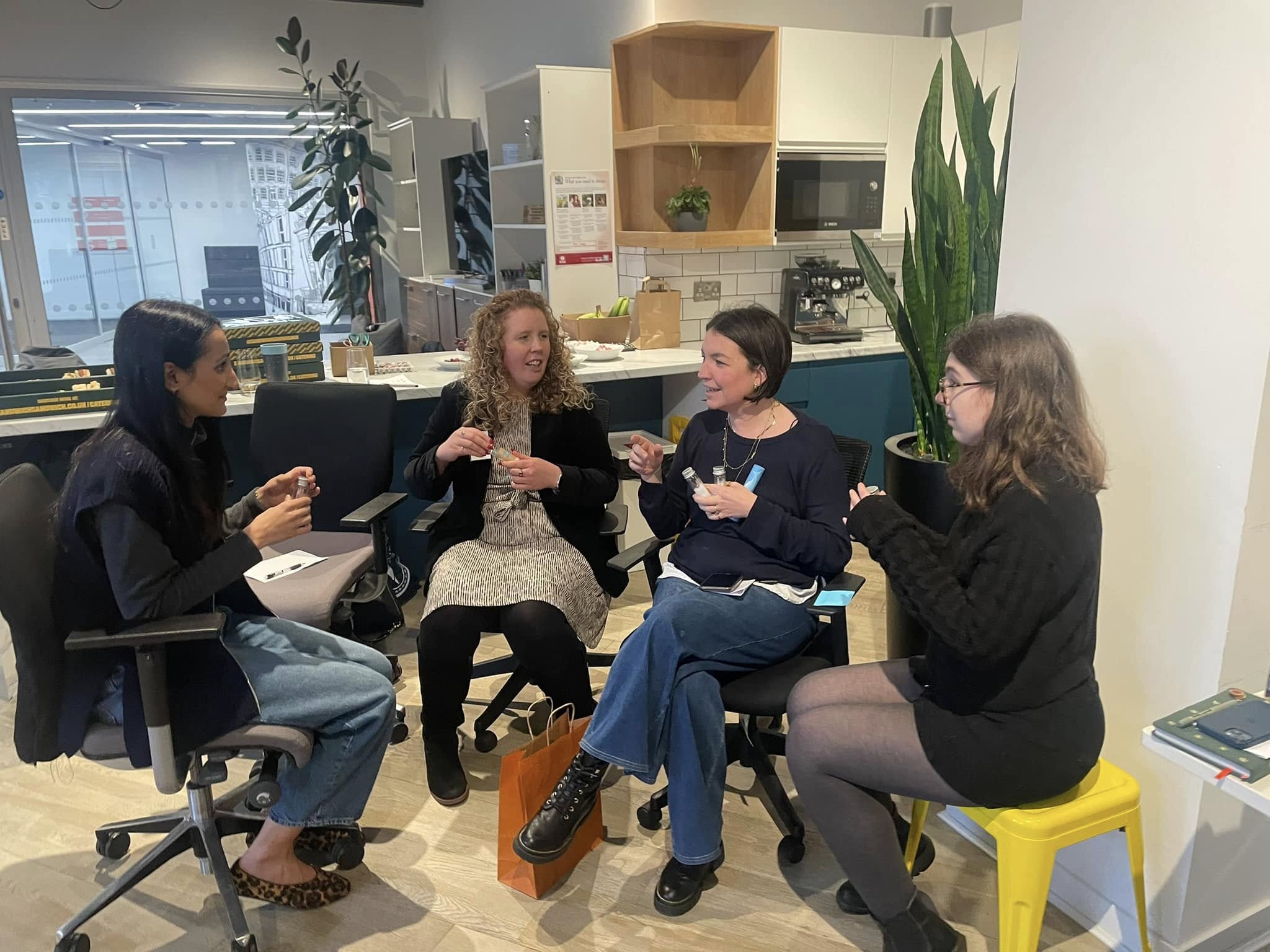
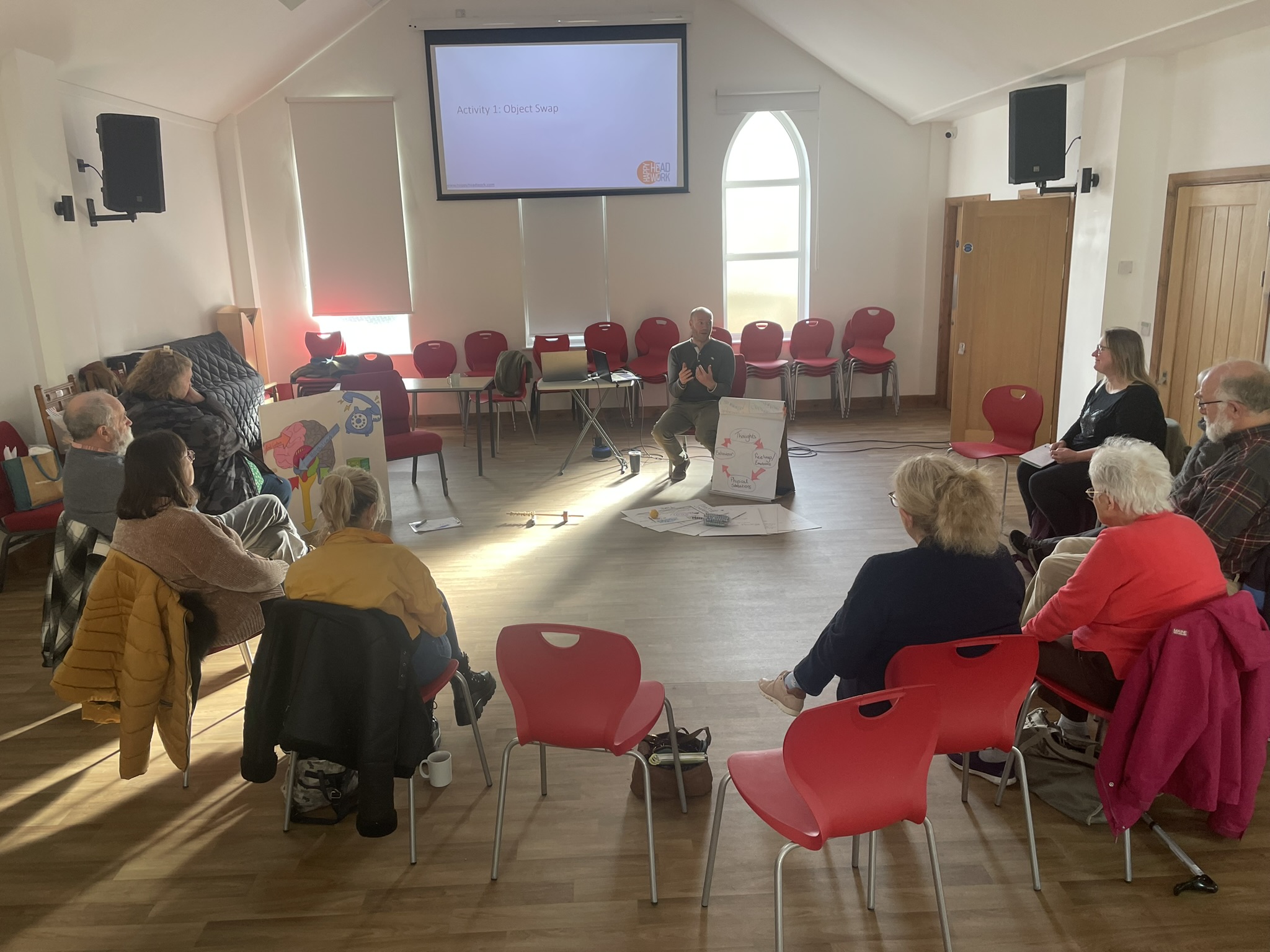
Moving Forward from Hoarding group taking part in an interactive workshop
Creating the home that works for you

Moving Forward from Hoarding

Psychology, personal support and practical help for sustainable change at home.

Living with hoarding or chronic disorganisation can affect wellbeing, relationships, physical health and confidence.

It can leave people feeling overwhelmed, embarrassed or unsure where to begin. Moving Forward from Hoarding helps participants understand themselves, reduce shame and take realistic steps towards a home that feels safer, more manageable and becomes the haven they want it to be.

Six group workshops

A solution-focused and compassion-focused learning journey exploring the psychology connected with hoarding and chronic disorganisation.
Five 1:1 therapeutic coaching sessions

Personalised support to help each participant understand their patterns, identify their goals and move forward.

In-home decluttering support

Practical support from a partner organisation to apply the learning and make changes at home.

Previous decluttering partners have included Habitat Joy CIC, SCVS and Stori. We also offer a training workshop for partner staff.

The workshop journey

Inside the six workshops

The learning moves from understanding the nervous system and hoarding difficulties towards personalised strategies for sustainable change.
1. Befriending the nervous system
  • Recognise personal signs of stress through activities such as Stress Bingo
  • Understand fight, flight and freeze and what happens when the stress response takes over
  • Explore how stress affects memory, attention, emotional regulation and decision-making
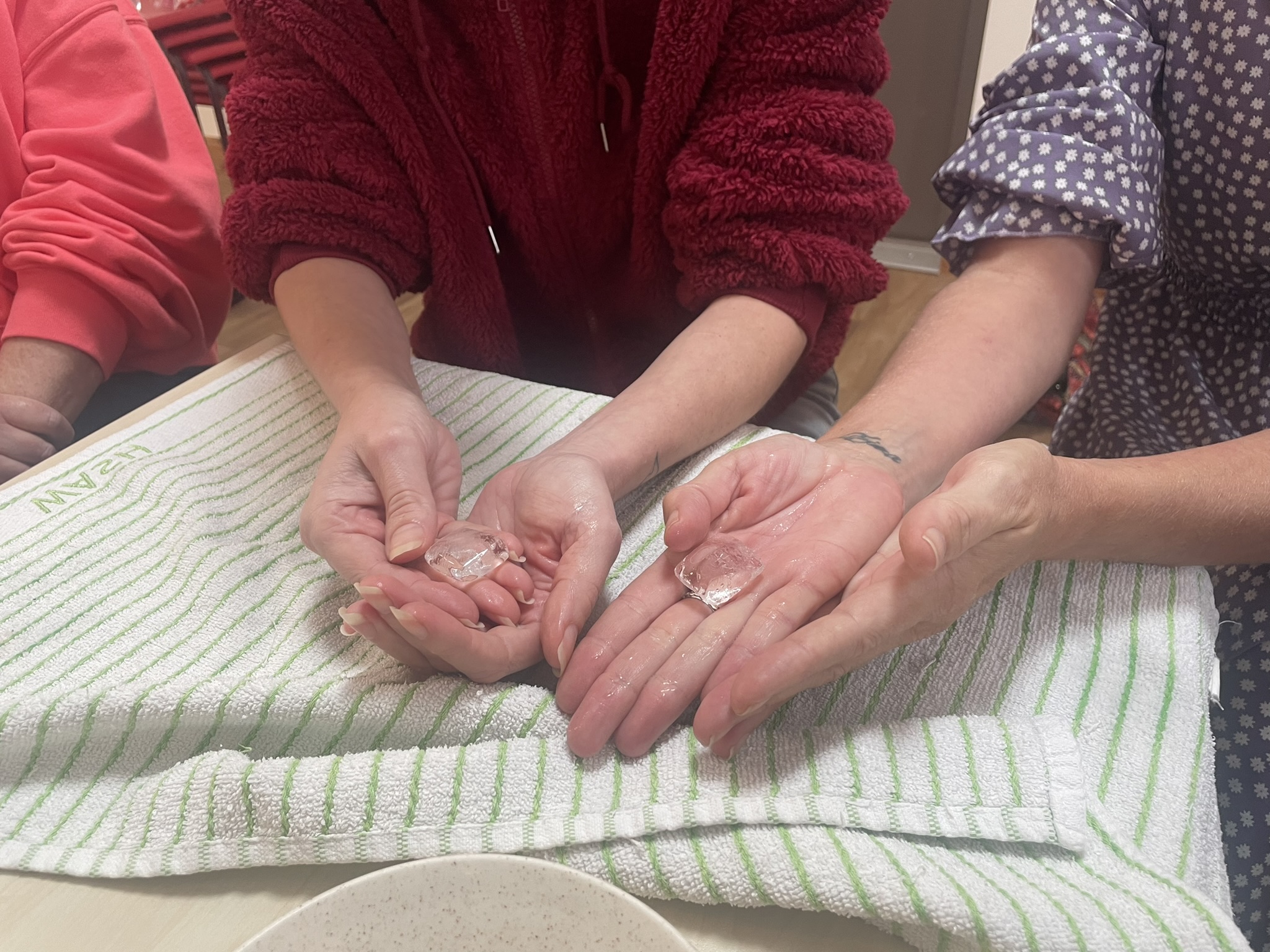
  • Practise breathing, grounding, body scans and noticing glimmers
2. Understanding hoarding difficulties
  • Explore hoarding and chronic disorganisation through biological, psychological, social and cultural lenses
  • Understand the human drive to collect, arrange, store and seek resources
  • Explore how possessions can become connected with safety, memory, identity and emotion
  • Reduce shame by recognising these patterns as understandable human responses
3. Beliefs, thoughts and possessions
  • Explore the connection between thoughts, emotions, physical sensations and behaviour
  • Recognise patterns such as catastrophising, all-or-nothing thinking, mind reading and fear of regret
  • Use movement activities and everyday scenarios to explore hoarding-related beliefs
  • Build confidence in problem-solving, intuitive decision-making and personal resourcefulness
4. Rewards, dopamine and motivation
  • Experience the difference between anticipation and satisfaction through the sweet experiment
  • Explore compulsive buying, acquiring, avoidance and the brain’s reward system
  • Recognise personal warning signs of a dopamine hijack
  • Use body awareness and compassionate self-talk to support motivation
5. Building confidence in coping
  • Explore the fears about not coping that can sit behind keeping behaviour
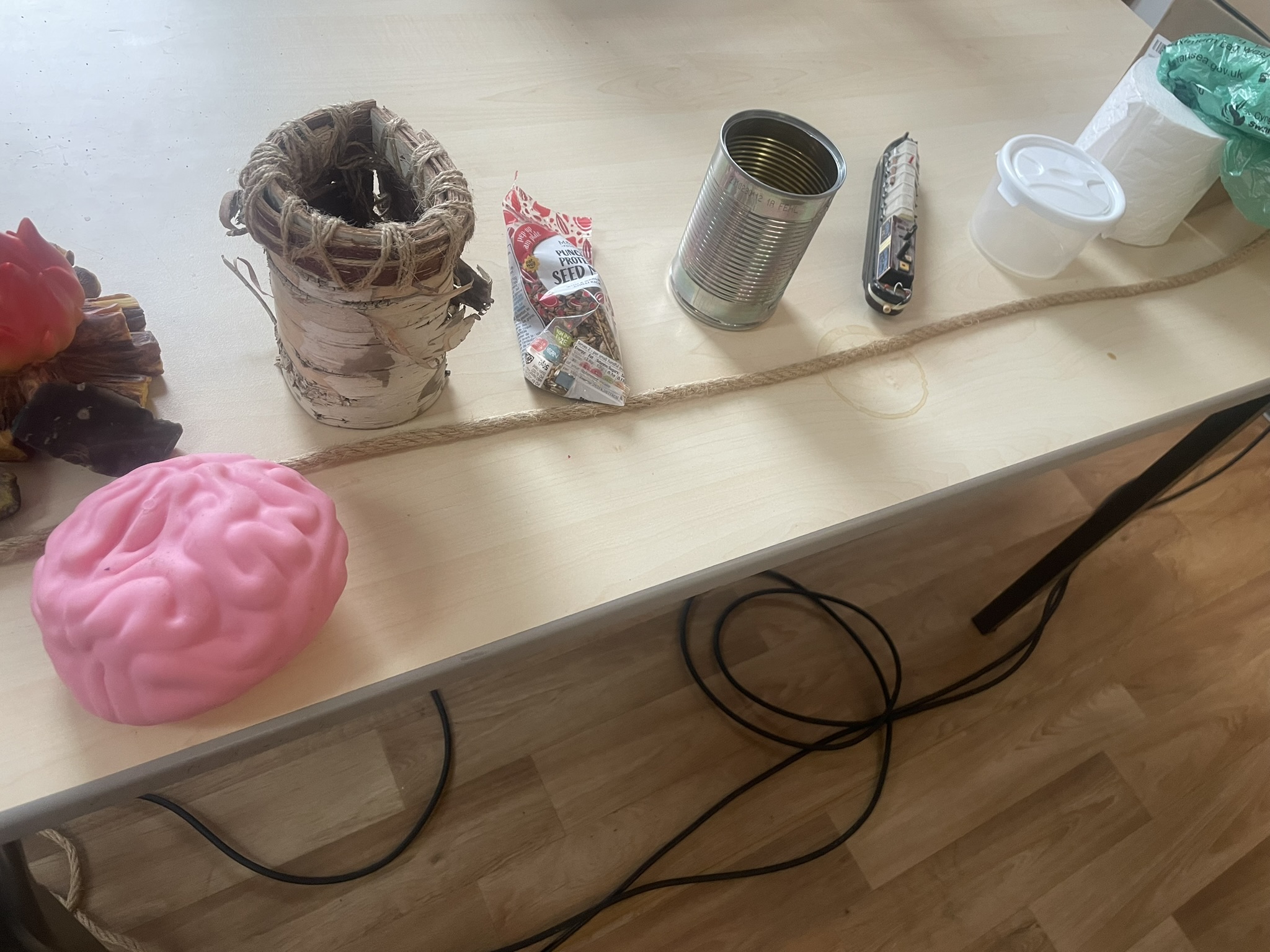
  • Use object swaps and group challenges to demonstrate flexible problem-solving
  • Identify modern alternatives to information and resources kept for possible future use
  • Develop compassionate bridge strategies that make letting go feel safer and more manageable
6. Moving forward positively
  • Recognise personal strengths, courage and what has already changed
  • Take part in the Power Walk and write a compassionate letter to yourself
  • Visualise one small area of the home at a personally manageable level of change
  • Map the practical and emotional support needed to continue moving forward
Participants trying a nervous system regulation activityHoarding workshop objects and learning materials arranged on a table

A psychologically safe space

Many people who experience hoarding or chronic disorganisation have lived through difficult experiences. The programme is trauma-informed, but it is not group counselling. Participants are never expected to share trauma stories or disclose more than feels comfortable.

We focus on learning, understanding, practising new skills and moving forward. Everyone is treated with dignity, compassion and respect.

What people say

Explore the impact
  • Greater self-esteem and confidence in the ability to change
  • More self-compassion and less self-criticism
  • A better understanding of personal patterns and triggers
  • More confidence making decisions about possessions
  • Greater motivation and ability to take action
  • Healthier relationships with spending and acquiring
  • Homes becoming safer, clearer and more usable
  • Improved family communication and connection
  • Practical strategies for sustaining progress
“It’s helped us look at things differently. It’s empowered us to say, ‘We can do this.’”
“It just feels like it’s lightened the load.”
“I feel that I’m not a lost cause and that I can make a difference.”
“The course helped me realise that I didn’t need to hoard anymore. It focused on understanding what was causing it and identifying the trigger points.”
“Hearing others share their stories made me feel less isolated in my struggles. It was comforting to know that I wasn’t alone.”
“The staff didn’t judge me, and they helped me move from just planning to actually doing.”
“My house looks quite nice now, and it makes me feel proud and happy.”
“I’ve learned to be kinder to myself during this process.”

Building the evidence

We are working with Swansea University’s Sustainable Wellbeing Research Group to build robust research into the impact of our programmes.

Interested in Moving Forward from Hoarding?

The programme runs at different times depending on funding and partnerships. We also work with local authorities, housing providers, charities and community organisations to develop supported versions for the people they work with.